§01 The experience
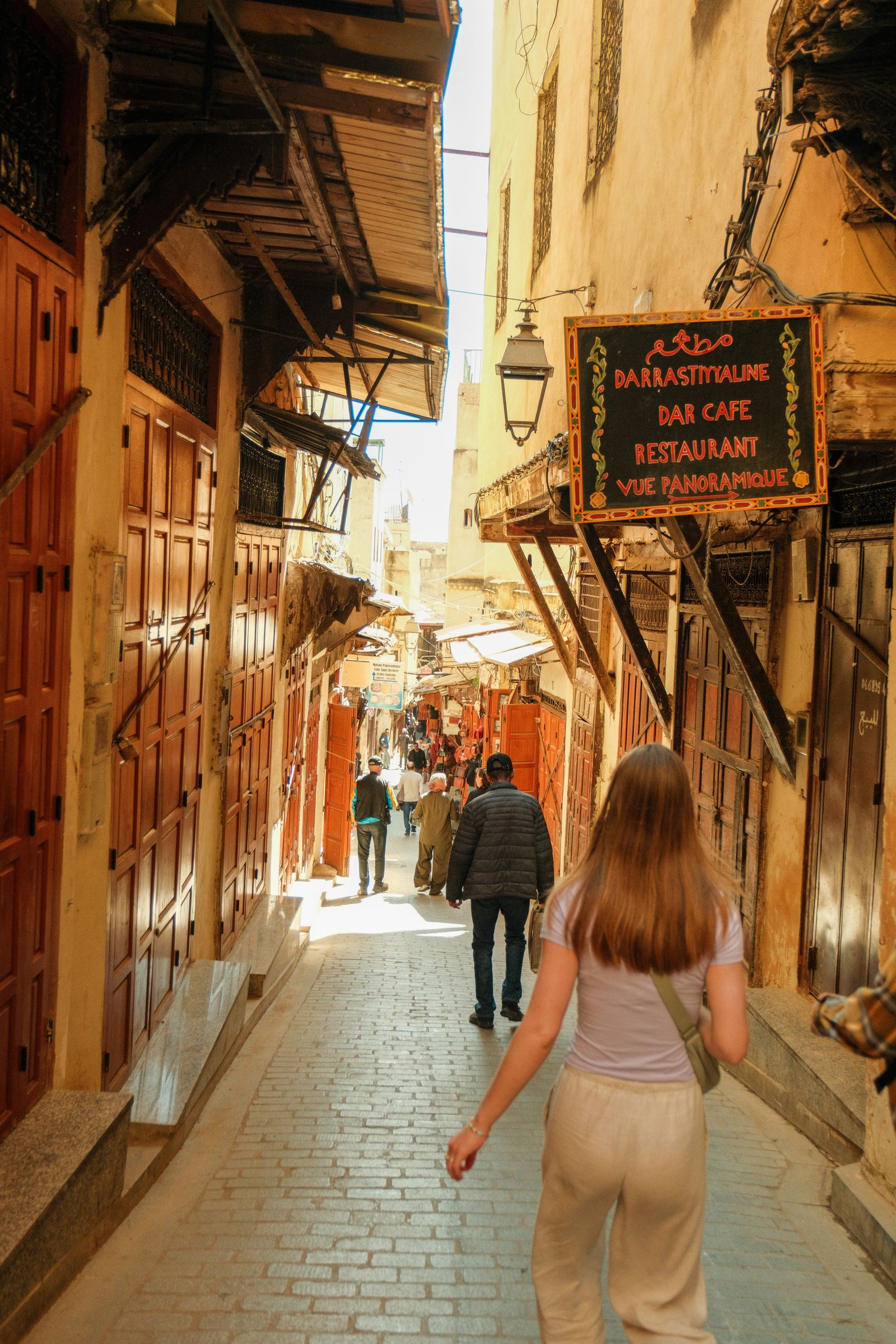
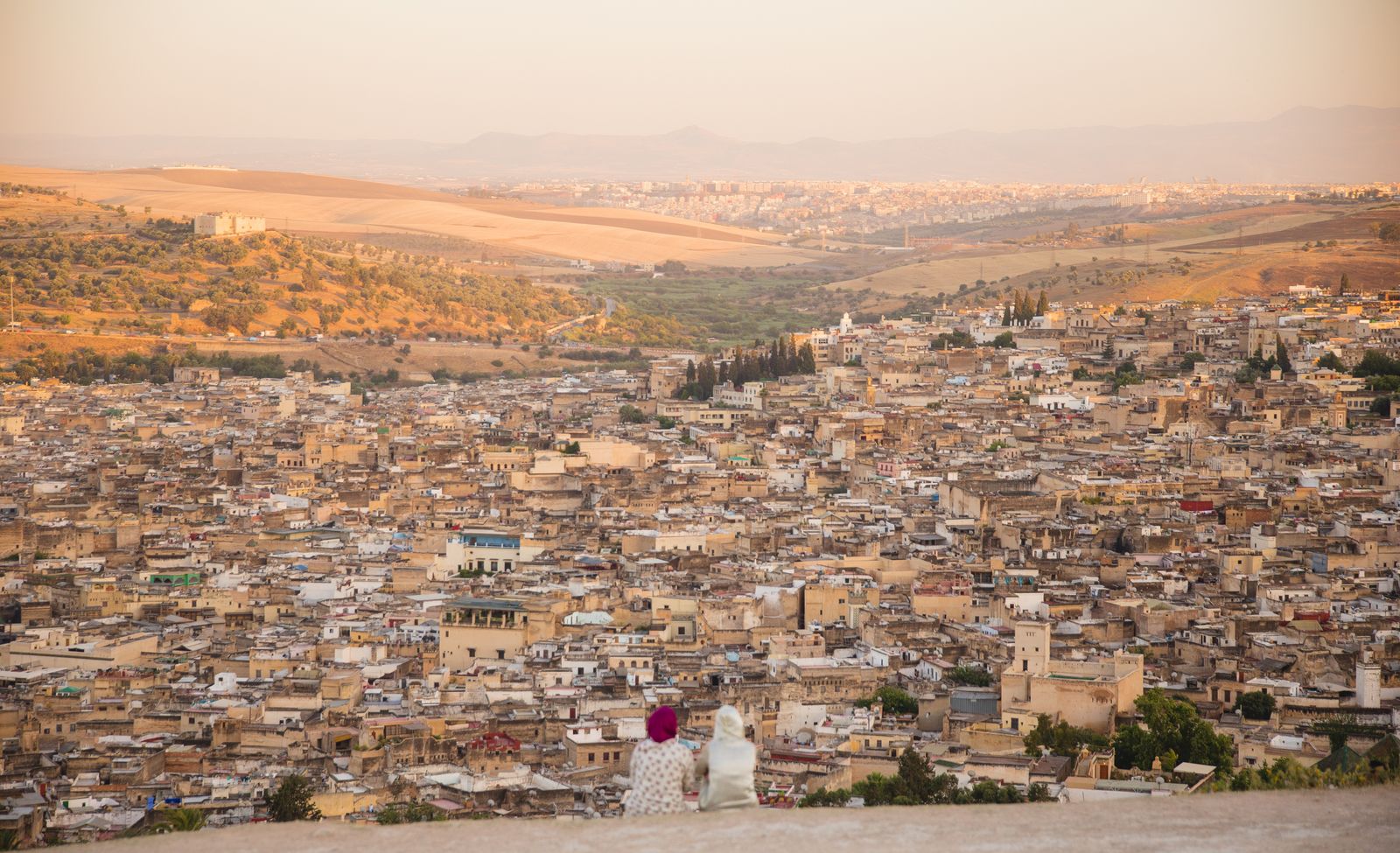
Fes el-Bali is the largest car-free urban area on earth and the oldest continuously inhabited medina in the Arab world. Nine thousand lanes, no traffic and almost no signage. Walked alone it is a maze. Walked with someone who was born in it, it becomes a city with a logic you can read.
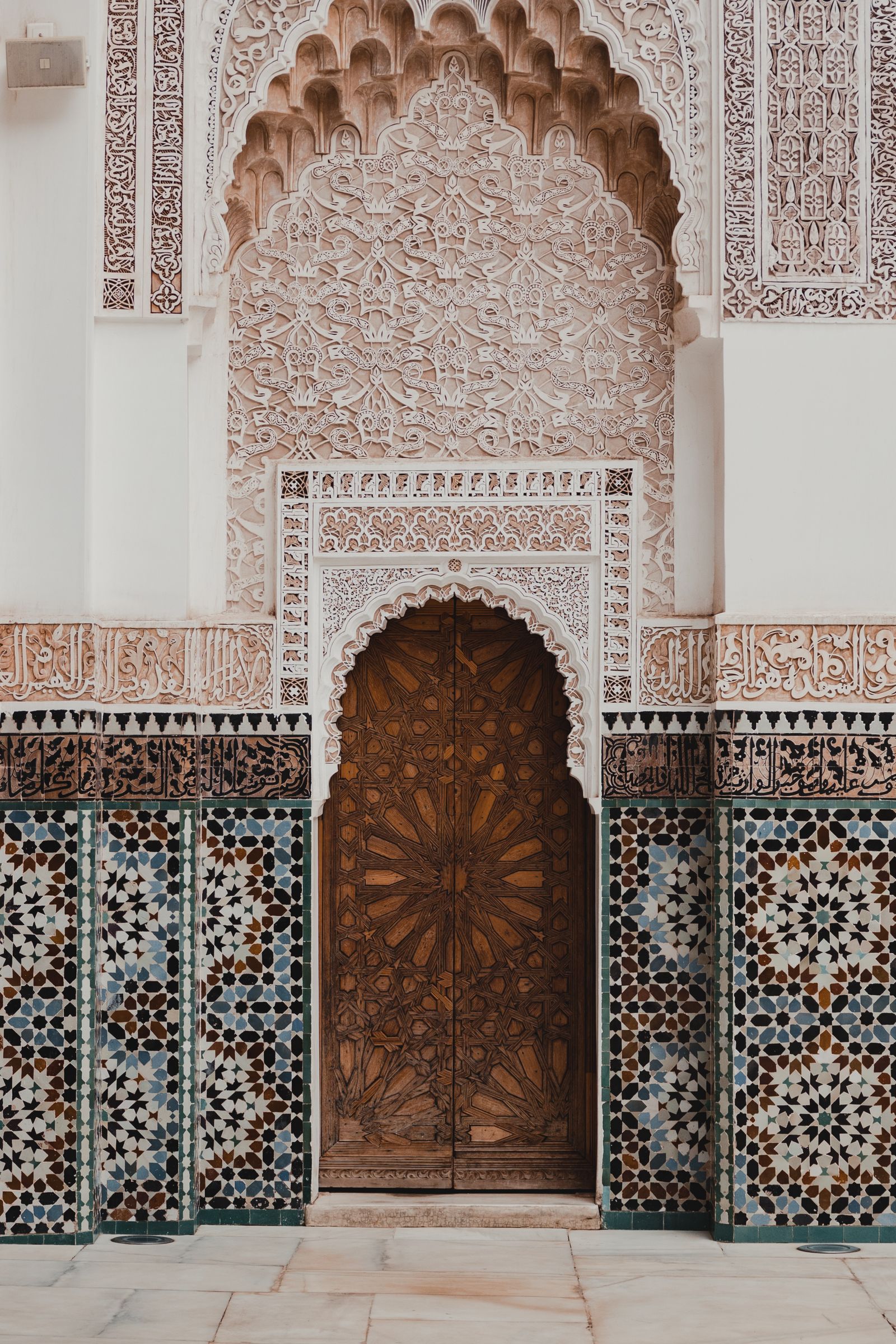
We start at one of the great gates and work inwards on foot, at a pace that leaves room to stop. You stand in the courtyard of a fourteenth-century medersa and understand why the carved cedar, the stucco and the zellige are arranged the way they are. We pass the Qaraouiyine, founded in 859 by Fatima al-Fihri and generally counted as the oldest degree-granting university in the world, and look into the fondouks where caravan traders once stabled mules below and slept above.
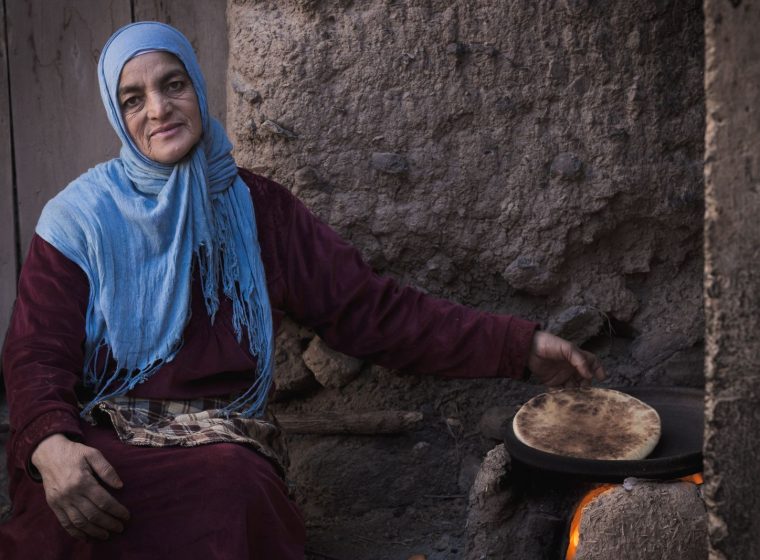
Between the monuments is the part most visitors never see: the water clock, the bakeries where families still send their dough, the communal fountains, the one-street mosques. Your guide will tell you what is a photograph and what is a working building, and will keep you out of the lanes where a camera is not welcome.
This is a private walk. No flag, no group of forty, no commission stop at a carpet shop. If you want to sit over mint tea halfway up the hill and ask questions for twenty minutes, that is a perfectly good use of the morning.
§02 Highlights
- 01Bou Inania or Attarine Medersa — fourteenth-century cedar, stucco and zellige
- 02The Qaraouiyine, the world's oldest university, founded in 859
- 03A working fondouk still used by craftsmen and traders
- 04The Nejjarine fountain and the carpenters' square
- 05Bread, water and the small rituals of a medina street
- 06Honest advice on what to photograph, and where not to
§03 Day by day
-
0:00
Meet at your riad or a medina gate
Pickup inside the medina where vehicles can reach, or at Bab Bou Jeloud. We set the route around your pace and interests.
-
0:30
Medersa and the age of the scholars
A quiet hour inside a fourteenth-century religious college, then the Qaraouiyine quarter and the booksellers' lanes.
-
1:30
Fondouks, fountains and the water clock
Caravanserais still in daily use, the Nejjarine square, and how the medina's water system worked.
-
2:15
Mint tea and the long view
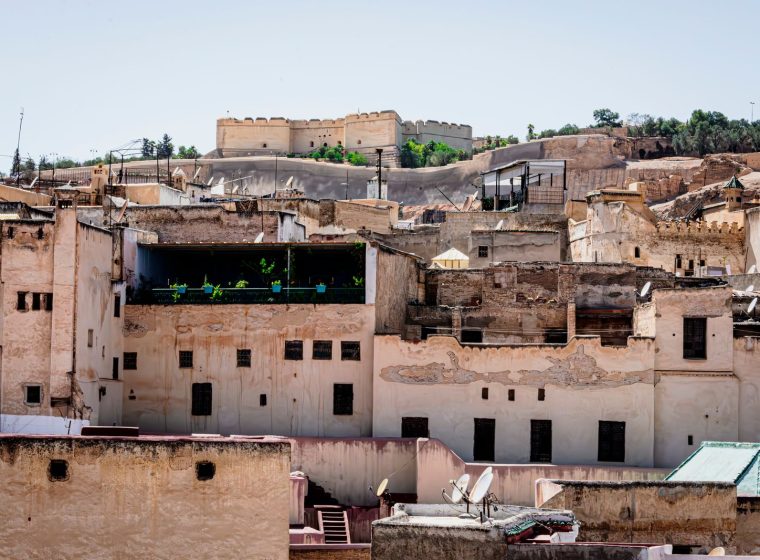
A rooftop or a neighbourhood café — tea, questions, and the medina laid out below.
-
3:00
Finish
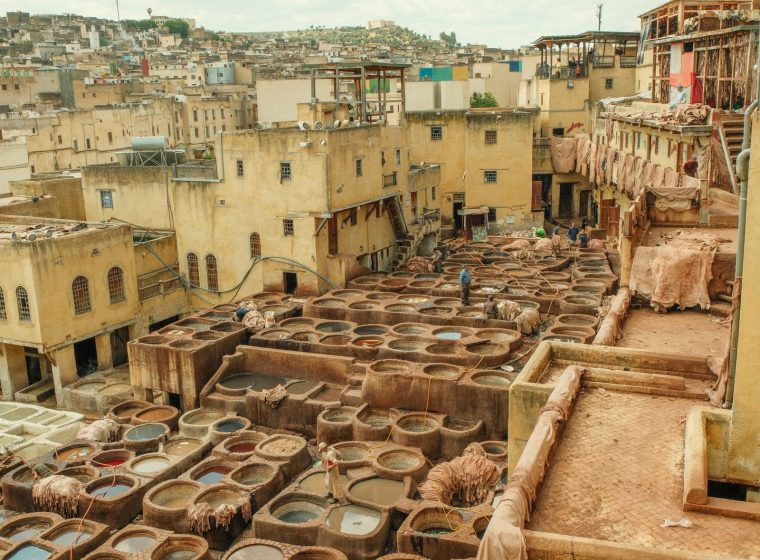
We walk you back to your riad, or point you at lunch, the tanneries or the souks.
§04 What the price covers
- Included
- +Licensed Fez guide — English, French or Arabic
- +Three hours on foot, private: your group only
- +Pickup and drop-off at your riad or hotel inside the medina
- +Route planned around your interests, pace and mobility
- +Mint tea stop
- +Bottled water
- Not included
- −Monument entrance fees (roughly 30–70 MAD per site)
- −Lunch and personal purchases
- −Gratuities — appreciated, never expected
§05 Questions
Is it private?
Yes. Your group only, never merged with strangers. One guide, one group.
How much walking is involved?
Around 4–5 km over three hours, almost all of it slow and with stops. The medina is hilly and paved in stone, so flat closed shoes matter more than fitness.
Can you adapt it for limited mobility?
Usually yes. Tell us in advance and we build a flatter route and bring the car as close to the start and finish as the lanes allow.
When is the best time to go?
Mornings are cooler, the light is better and the workshops are open. Around midday on Friday the medina is quieter.
Do I pay now?
No. Reserve now and pay your guide on the day. Nothing is charged online.
What should I wear?
Comfortable closed shoes, shoulders covered. Water and a hat in summer, a layer in winter — the stone lanes stay cool.